

Staying in Her Lane: How Jessica Built a Thriving Wholesale Flower Business by Finding Her Fit
The rows of dahlias at Clear Ridge Nursery look different from most flower farms. They rise from large, neatly spaced containers, framed by the silhouettes of native trees and shrubs in the distance—a blend of precision and abundance that mirrors the woman behind them.
When Jessica Todd walks those rows, she brings the same discipline that drives her leadership of her family’s 87-acre wholesale nursery in Maryland, where more than 350,000 native trees and shrubs are grown for conservation projects. Everything she grows—trees or flowers—is chosen with intention. Every system has a purpose.
Unlike me, Jessica didn’t stumble into her chosen revenue stream for her cut flowers through trial and error. She found her niche early. Dahlias weren’t chosen just because they’re beautiful. They were chosen because they fit. She already had the space, coolers, irrigation, greenhouses, trained staff, and equipment. All she needed was a crop that aligned with her strengths and infrastructure.
That clarity was reinforced at a flower business-focused workshop taught by Jenny Love and florist Ellen Frost—the same workshop where Jessica and I met, years ago. There, she recognized what many farmers take years (and burnout) to learn: your crops and customers should fit what you already do well. She realized she could build a floral business rooted in the same focus that made her nursery successful—specializing in high-quality, locally grown products for buyers who rely on consistency.
Her story is a masterclass in alignment.
When we spoke recently, Jessica shared how that focus carried her through joyful seasons and painful ones—including the loss of her mother, the renewal she found through partnering with fellow grower Morgan, and the discipline it takes to stay committed to what fits, even when tempting opportunities arise.
This is what clarity looks like in practice.
The Roots: Clear Ridge Nursery
Before dahlias, there were trees.
Jessica’s family founded Clear Ridge Nursery nearly forty years ago, transforming pastureland in Carroll County, Maryland, into a leading producer of container-grown native plants. With 350,000 plants representing more than 70 species, the nursery supplies ecological restoration and conservation projects across the mid-Atlantic.
It’s a business defined by focus: growing native plants that thrive where they’re planted and support a mission larger than aesthetics. (Fun fact: I bought several native pine trees from Clear Ridge before I met Jessica or knew she was also a flower farmer, for a restoration project on my farm.)
When Jessica became majority owner in 2008, she inherited not just a thriving operation, but a powerful infrastructure: tractors, irrigation, greenhouses, walk-in coolers, and a horticulture-trained seasonal workforce. She also inherited the mindset that built it: clarity, systems, and knowing your niche. So when she decided to test cut flowers, it wasn’t a pivot. It was an experiment in alignment.
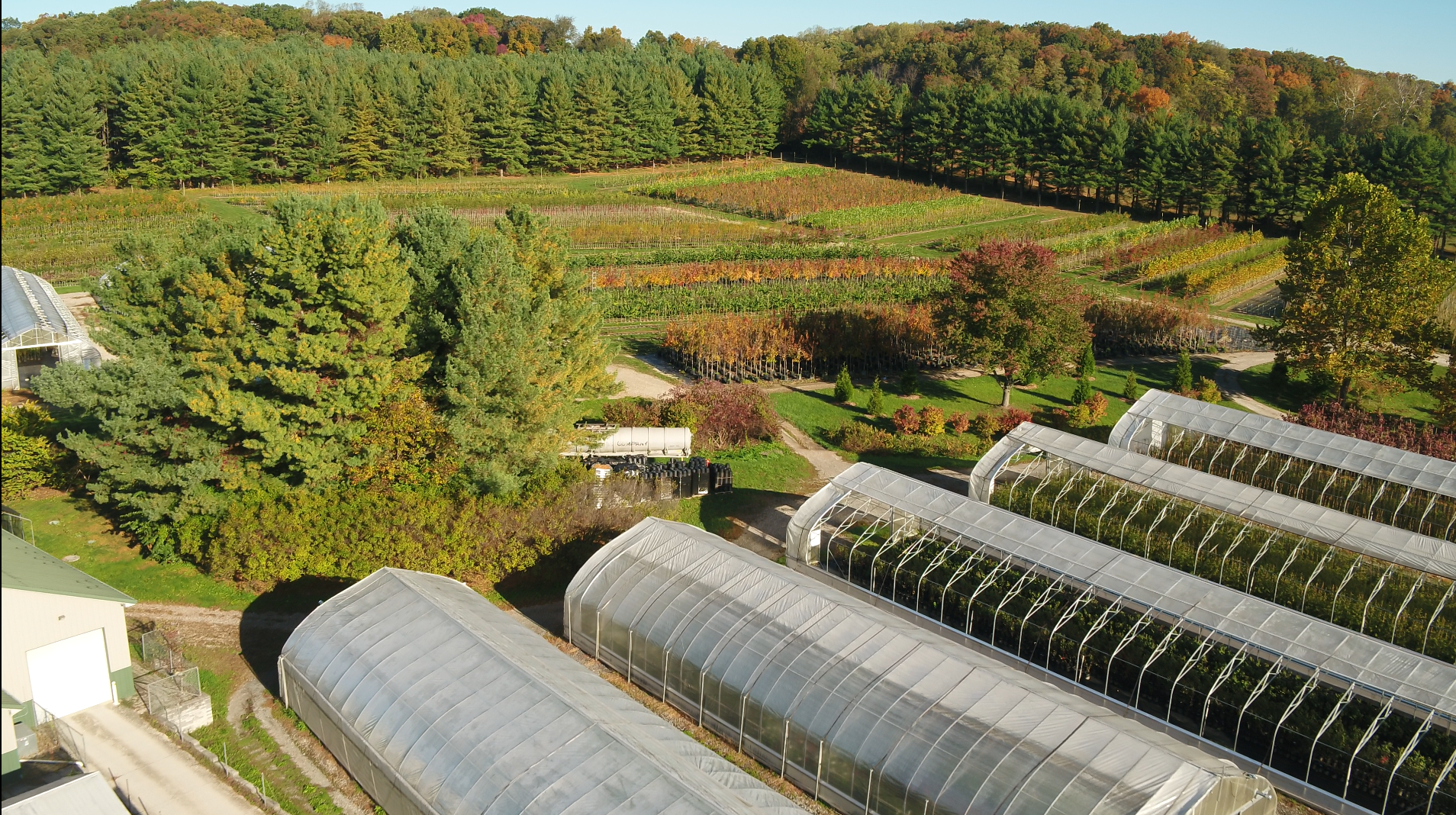
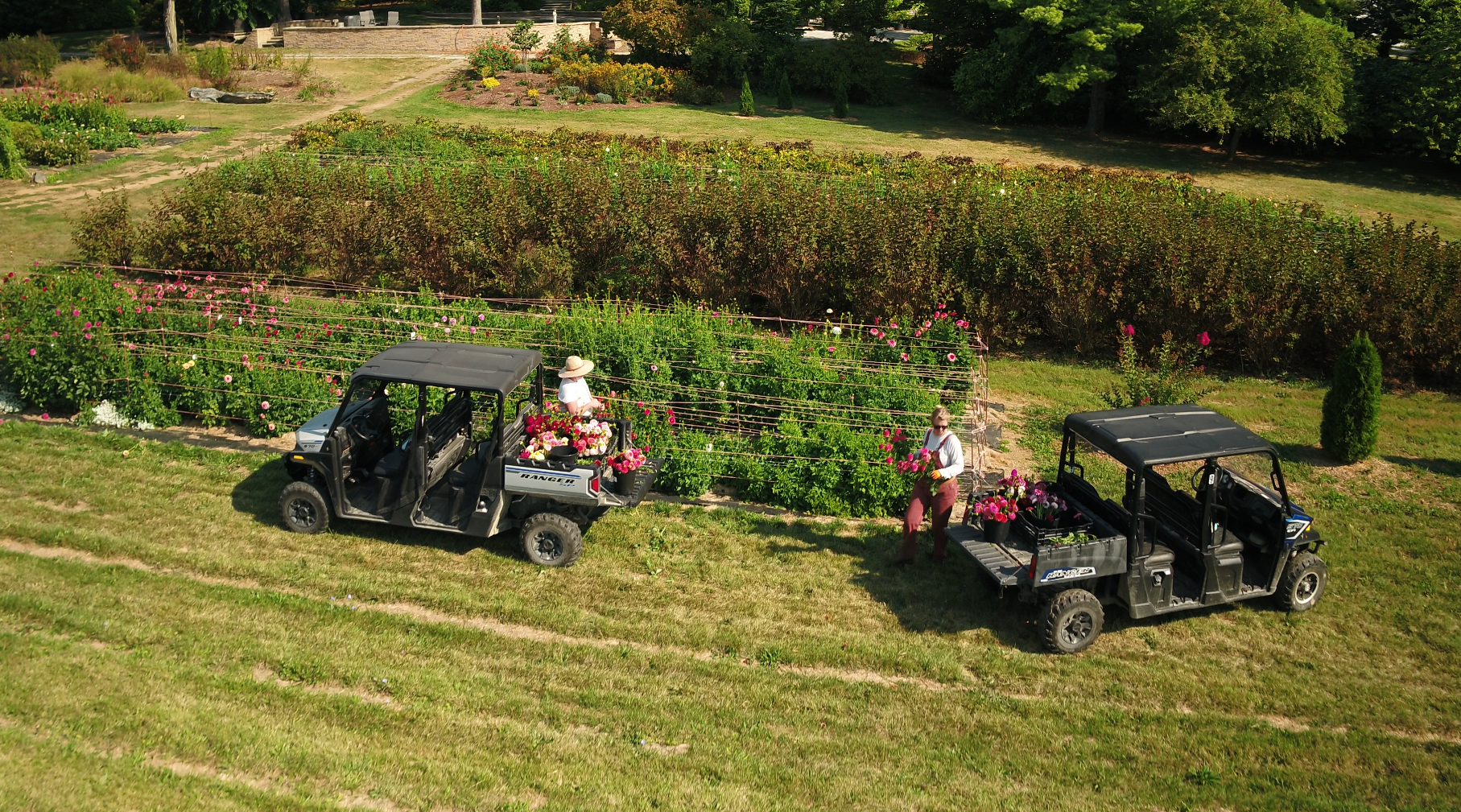
Aerial shots of Clear Ridge Nursery showing the extensive growing area and infrastructure.
The Spark: From Wedding Dahlias to Wholesale Florals
Like many good flower stories, it began with a wedding.
While planning her own wedding, another grower encouraged her to grow the dahlias for it—a practical suggestion that opened a door. Jessica grew those dahlias in the large containers that exist in abundance at the nursery, using greenhouses that sat empty once the trees and shrubs moved outdoors.
That trial revealed something important: dahlias were an excellent match for her existing nursery systems. Around the same time, the workshop with Jenny Love and Ellen Frost helped her articulate exactly why. Her ideal crops would be:
Varieties that don’t ship well, so that local demand would be high
Compatible with container growing and greenhouse infrastructure
Dahlias fit those criteria perfectly; her wedding flowers proved the concept. With that experience in hand, Jessica launched a wholesale flower division built on what she already did best: reliably producing specialty crops for professional buyers.
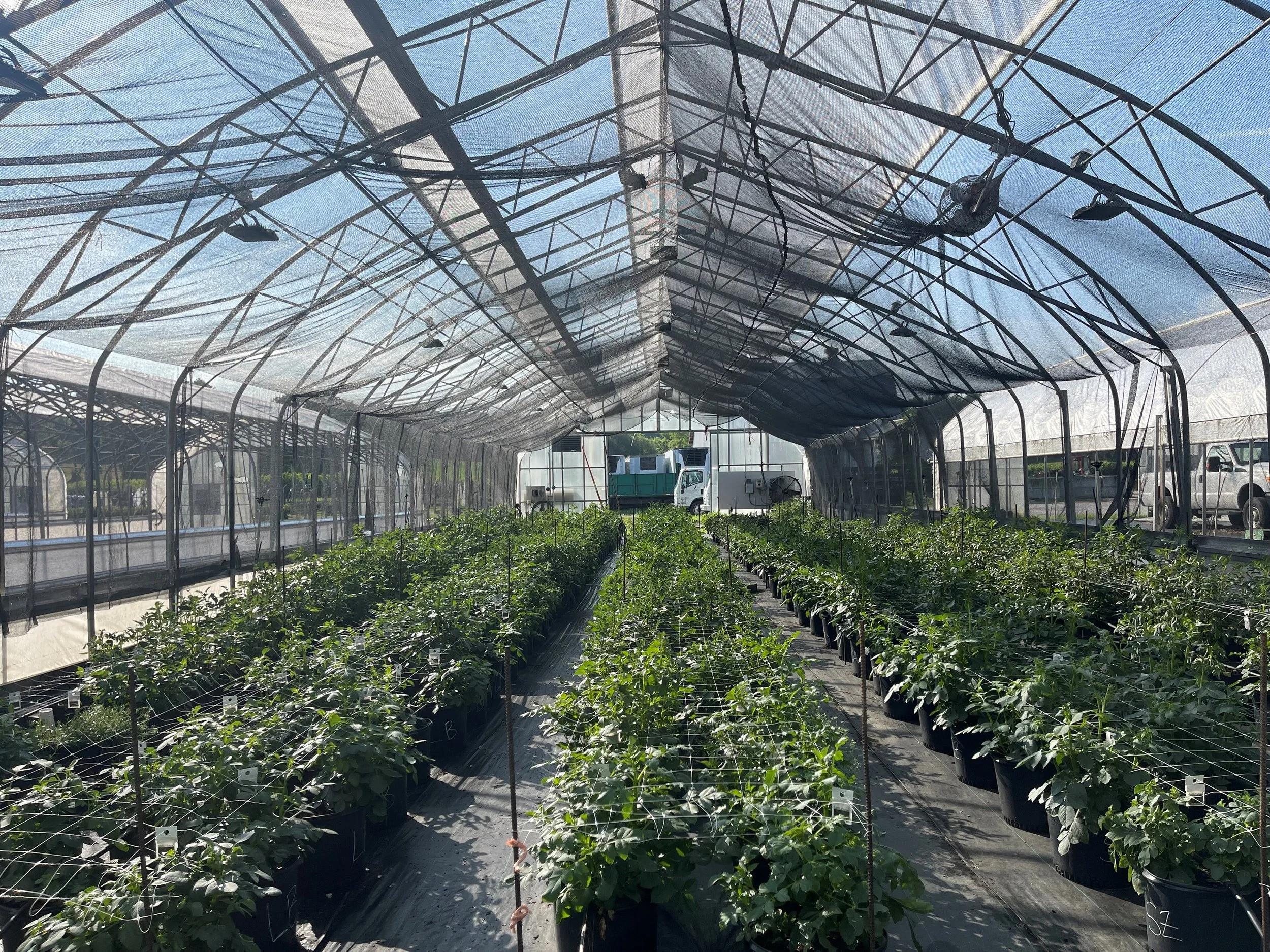
Left: one of the greenhouses at Clear Ridge Nursery, packed with rows of dahlias in containers. Right: Jessica has begun planting more dahlias outside of the greenhouses, thanks to ever-increasing summer temperatures that can become too much for even these heat-loving flowers.
Loss, Partnership, and Rediscovery
For years, Jessica ran the dahlia operation with steady, quiet discipline. Her mother often helped, sharing the joy of the beautiful blooms and providing the camaraderie and quiet encouragement that makes long days in the field feel lighter. When her mother passed away in 2024, the work suddenly felt heavier.
“It just didn’t feel the same without her,” she told me. “I kept thinking, maybe it’s time to stop.”
But at about the same time, her friend Morgan—another local grower I also met at the same Jenny Love workshop—was considering closing her farm. What began as conversations about support became a partnership. Morgan came to work at the nursery to focus on the dahlias. It became a collaboration built on friendship first, business second.
The Fit: Finding the Right Wholesale Model
As Jessica’s dahlia operation took root, she faced the same question every flower farmer eventually does: how should the flowers move from her hands into buyers’?
Jessica built direct relationships with florists who were eager for locally grown dahlias. Several florists became true partners, placing large, predictable orders week after week. One even told her, “I’ll buy however much you can grow.” Those relationships provided stability and volume — and they reinforced that she didn’t need a wide crop list or complicated distribution model. She just needed to produce exceptional dahlias for buyers who trusted her.
She also sold through a local collective, a regional group of growers who pooled inventory so florists could place single orders from multiple farms. It worked beautifully—until it didn’t. Eventually, the administrative load became too heavy and the collective dissolved.
Jessica adapted quickly. Rather than reinvent the wheel or go fully independent, she began selling through another farmer who had built a collective under her own business. This new arrangement meant Jessica could spend more time growing and harvesting and less time delivering and dealing with the administrative tasks. Her focus on dahlias and the established woodies she has in production mean her season is consolidated.
The arrangement fit her life—including her role as a mom. With both of her children involved in sports, Jessica needs her weekends to be as free of business intrusions—from the nursery or the dahlias—as possible. It also reflected her strong understanding of business fundamentals. Jessica knew that profitability didn’t require expansion, just efficiency.
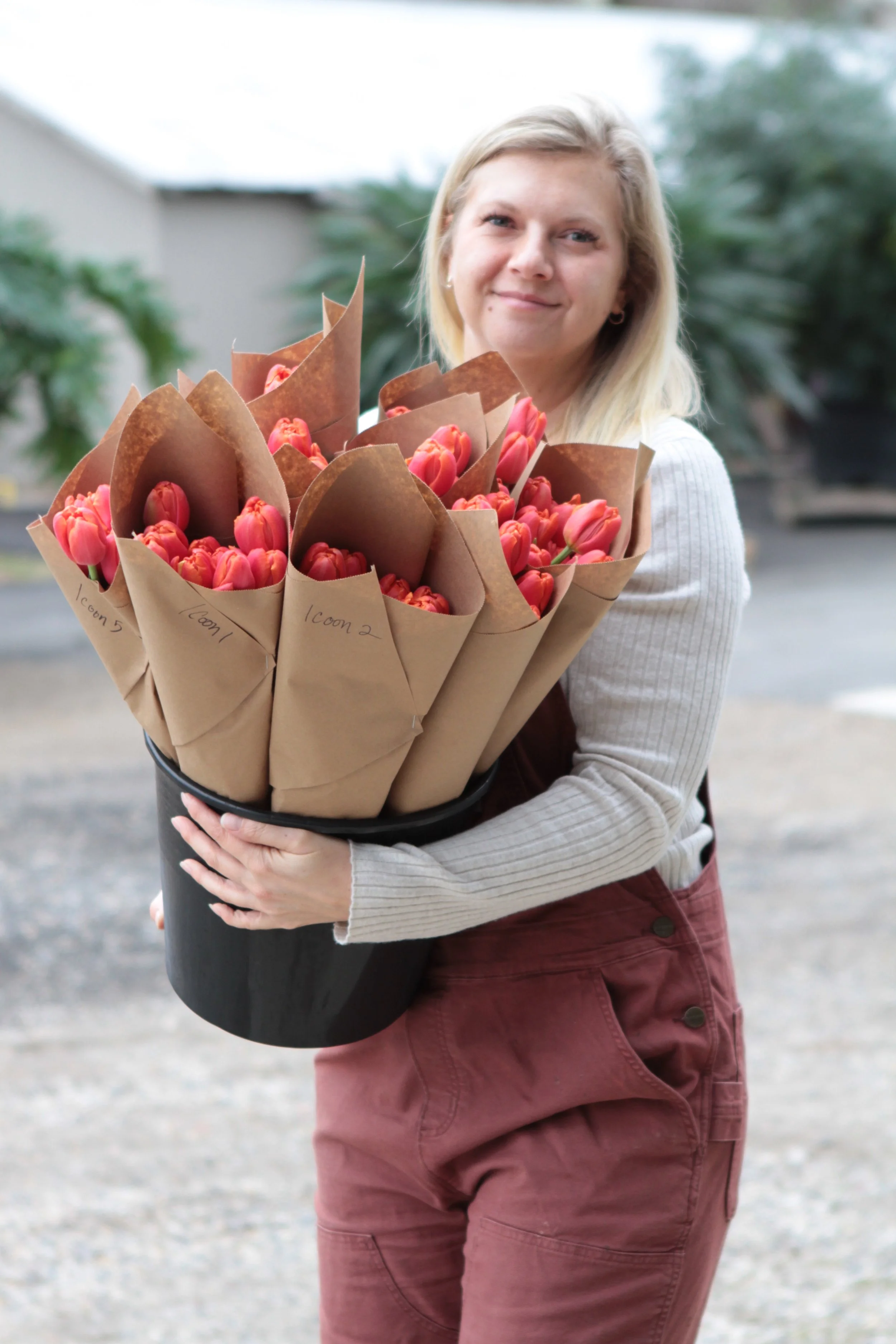
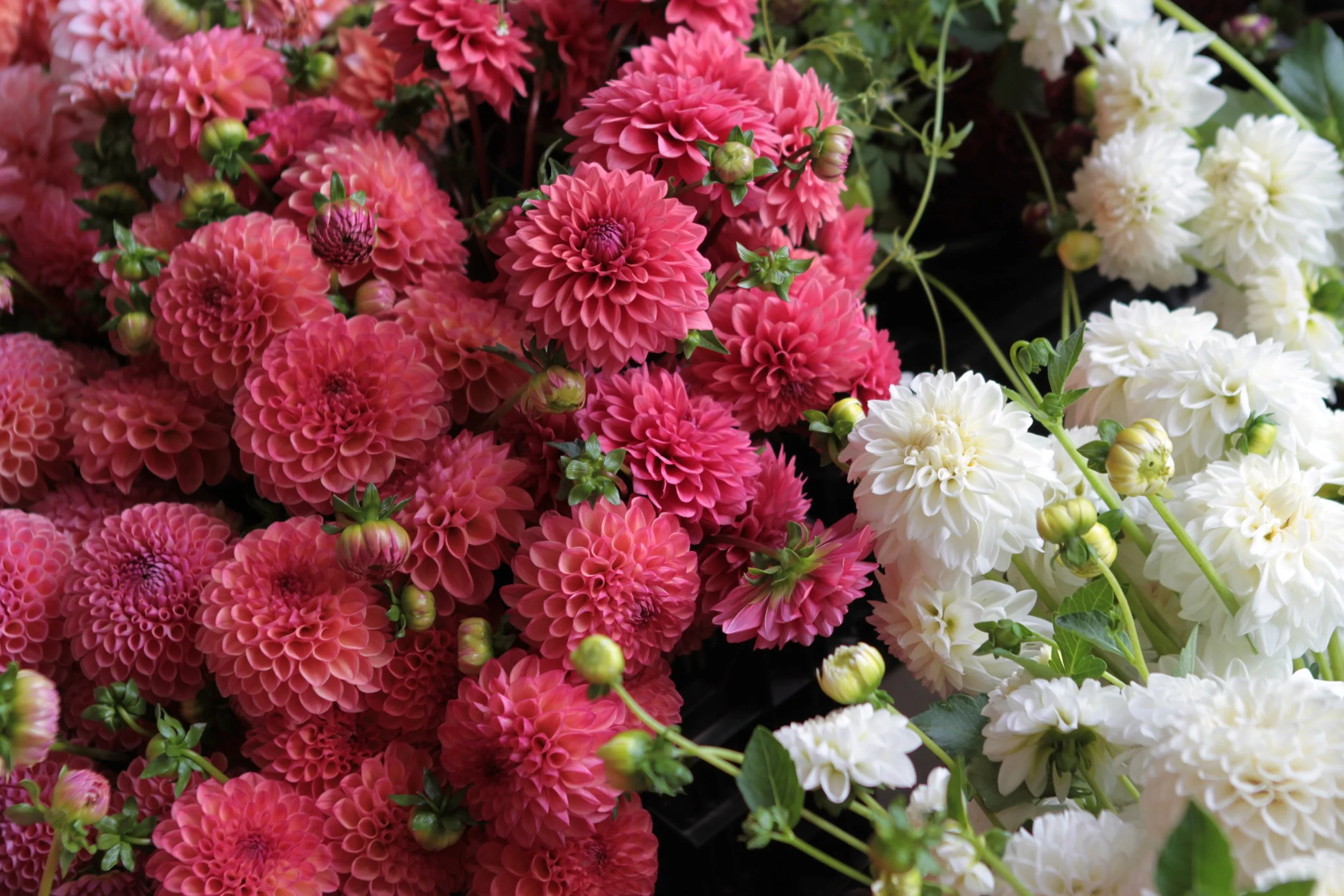
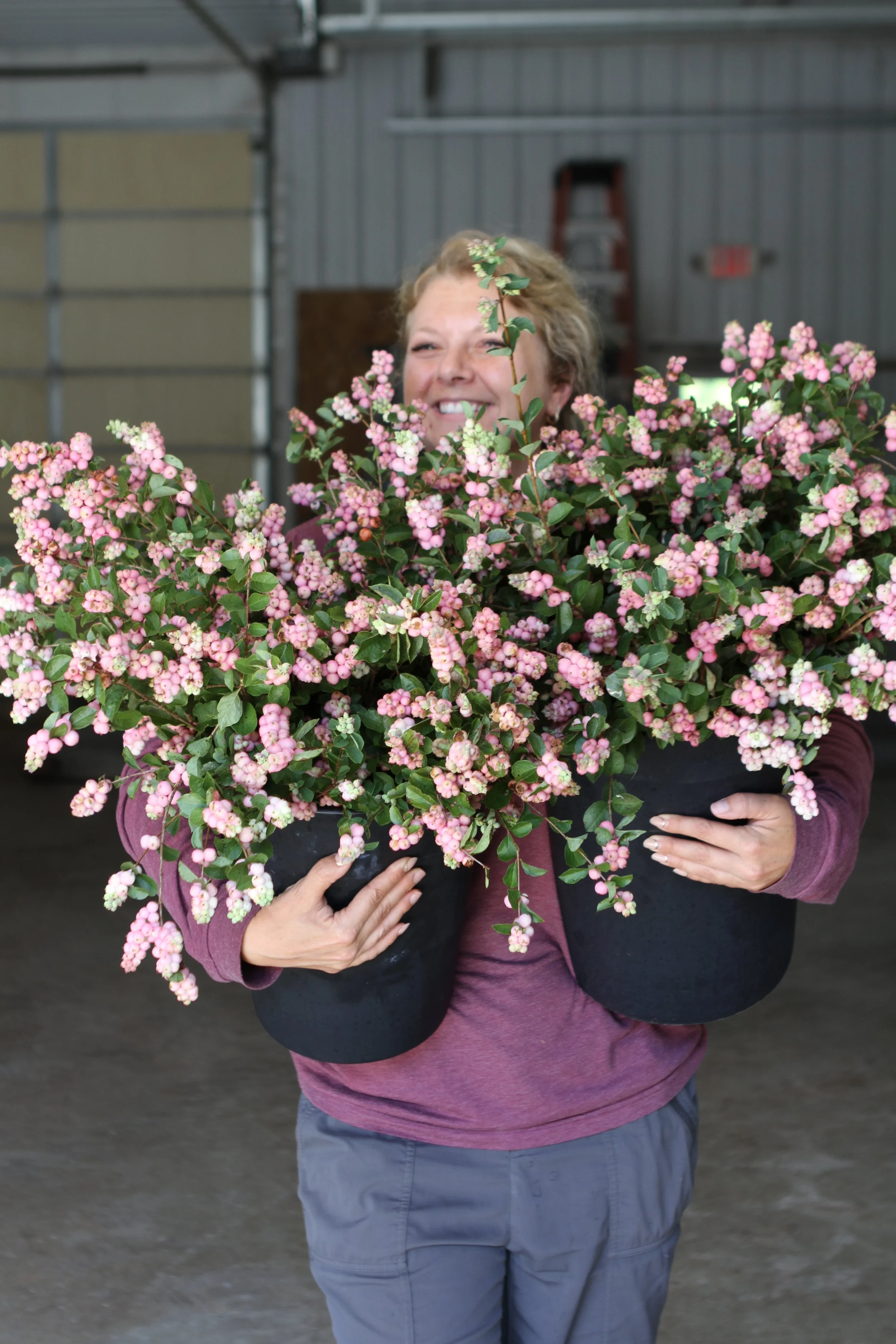
Though Jessica is best known in the cut flower world for her gorgeous dahlias, she’s experimented with winter tulips (left) and often gathers woody stems — like coralberry — from the nursery’s own plantings (right).
Finding Your Own Lane
Like most of us, Jessica loves flowers of every kind — “I’ve rarely met a flower I didn’t want to grow,” she said. But she’s clear-eyed about the difference between what she loves and what her business needs. She’s chosen focus over variety because that’s what truly works for her.
In fact, she experimented with winter tulips. But they competed directly with her nursery infrastructure: her greenhouses are needed in winter for overwintering trees and shrubs. And after a couple devastating tulip crop failures, she made a strategic decision to let tulips go.
Dahlias fit her infrastructure, her labor schedule, her workflow, her margins, and her buyers. They allow her to run two complementary businesses—the nursery and the flower farm—without either one stealing resources from the other.
My own farm operates very differently. Our primary product is mixed bouquets, which require a huge diversity of ingredients. Our infrastructure, pricing model, labor patterns, and sales channels support variety because variety is the product. For us, a wide crop list isn’t a distraction—it’s a necessity.
Jessica’s business shows the opposite truth: sometimes the most profitable path is the narrow one.
Both models work. What matters is knowing which one fits you.
Jessica’s story proves that success in flower farming doesn’t come from copying what others do. It comes from understanding your strengths, constraints, and resources—and building a business that aligns with them.
If you’re feeling pulled in too many directions, or if you sense that your current model doesn’t quite match your life or infrastructure, Jessica’s path offers a simple reminder: clarity is powerful.
You can find that same clarity without guessing or burning out. Start with the free Field Factors Assessment, a tool designed to help you understand which parts of your farm (and your life) point toward your ideal revenue streams. Based on your answers, we’ll tell you what your Top 5 Revenue Streams are.